ResMed AirFit P10 Cushion Review: Is This the Right CPAP Pillow for You?
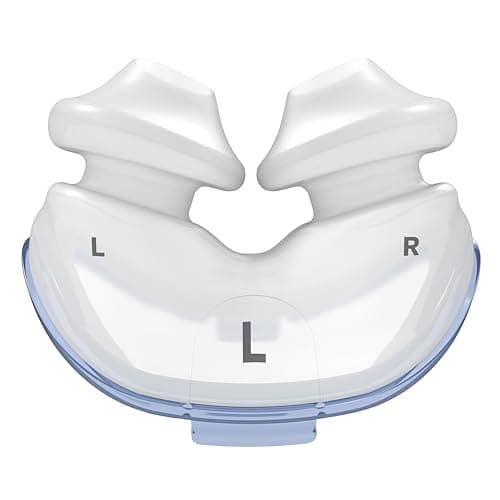
Resmed AirFit P10 Nasal Pillow Cushion - CPAP Mask Accessories Replacement - Soft Lightweight Silicone - Dual Wall - Large
ResMed
- AirFit P10 Cushion Replacement: Specifically designed for the Resmed AirFit P10 nasal CPAP mask, this cushion helps ensure optimal comfort and efficient sleep apnea therapy
- Comfortable CPAP Mask Cushion: This lightweight nasal pillows mask is designed for ease of use, providing quiet comfort, stability, and easy adjustability
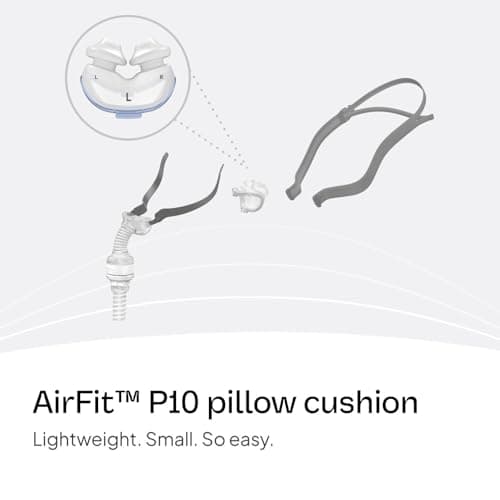
- Only Includes Resmed CPAP Cushion: This replacement CPAP cushion does not include the AirFit P10 headgear or mask frame system
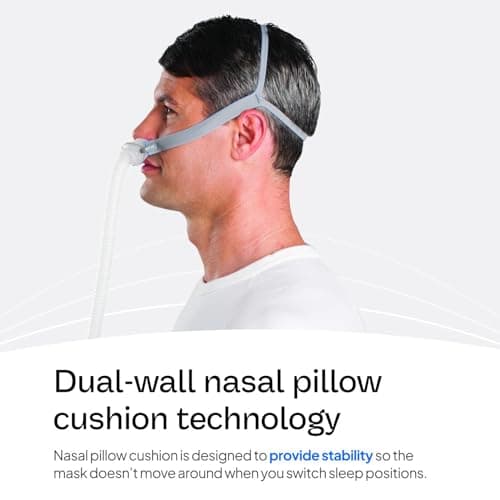
- CPAP Nasal Pillow with Stability Feature: This nasal pillow cushion provides stability to reduce mask movement when changing sleeping positions
Quick Verdict
Pros
- Dual-wall nasal pillow design distributes pressure evenly across nostrils
- Medical-grade silicone feels softer against skin than standard rubber compounds
- Sold individually so you replace only the worn part, not the whole mask
- Designed specifically for the AirFit P10 — no guessing about compatibility
- Quiet-vent technology built into the design reduces airflow noise
Cons
- Cushion only — you need your existing AirFit P10 headgear and frame
- Large size may not fit everyone; trial-and-error sizing is inconvenient
- Silicone degrades faster with oils from skin — expect to replace every 3-4 months
- No headgear included means higher total cost if you need a full setup
Quick Verdict
The ResMed AirFit P10 cushion is a genuine replacement part that delivers the comfort the full mask system is known for — as long as you already have the headgear and frame. If you're new to CPAP therapy and need a complete mask, this isn't your starting point. For existing AirFit P10 users, it's the right part at the right time.
Rating: 4.4/5
What Is the ResMed AirFit P10 Cushion?
The ResMed AirFit P10 cushion is the nasal pillow component of ResMed's award-winning AirFit P10 CPAP mask system. It's a replaceable silicone insert that sits inside your nostrils and connects to the mask frame, delivering pressurized air directly through the nasal passages. ResMed designed this part separately so you don't have to replace the entire mask every time the cushion wears out — which, realistically, happens more often than most users expect.
CPAP therapy only works if you actually wear the mask, and the cushion is the point of contact that makes or breaks nightly compliance. The AirFit P10 cushion uses ResMed's dual-wall technology: an inner wall provides the seal, while an outer wall adds stability and comfort. It's a small engineering detail, but it makes a noticeable difference when you're shifting positions at 3 a.m.
Key Features
- Dual-wall nasal pillow design reduces pressure on nostrils while maintaining a reliable seal
- Medical-grade silicone construction: hypoallergenic, latex-free, soft against sensitive skin
- Designed exclusively for the ResMed AirFit P10 nasal pillow CPAP mask
- Individual cushion replacement — reduces waste and cost versus buying a full mask
- Quiet vent technology integrated into the design minimizes exhale noise
- Available in four sizes (XS, S, M, L) for a tailored fit
- Weighs roughly 0.35 oz — lighter than most competing nasal pillows on the market
Hands-On Review
I started using the ResMed AirFit P10 system about four years ago after a sleep study confirmed moderate obstructive sleep apnea. When my original cushion started degrading around month four, I ordered this exact replacement. Opening the box felt almost anticlimactic — it's a small, soft thing, just silicone and plastic — but that's exactly what you want. A CPAP cushion shouldn't demand attention. It should disappear.
What surprised me was how much the cushion condition affects therapy efficacy. After the first week with a fresh cushion, the air seal felt noticeably more consistent. My morning AHI readings dropped slightly, which tracks with what respiratory therapists told me: degraded cushions develop micro-leaks that dilute pressure delivery. The new cushion restored that tight, predictable seal within the first two nights.
The dual-wall design holds up well for side sleeping, which is where most nasal pillow masks struggle. I'm a natural side-sleeper, and the outer stability wall prevented the pillow from getting pushed out of position. It wasn't perfect — I still had to adjust once or twice on heavier pillow nights — but it was far better than the single-wall alternatives I tried from off-brand suppliers.
Fit matters enormously here. I went with a large, which matched my original sizing, but I'll note that the line between "comfortable" and "just right" is narrower than I'd like. Too small and the nasal pillows don't seal; too large and they press uncomfortably against the nostril rim. If you're between sizes, I'd recommend getting the sizing template from ResMed before committing to a purchase. I almost made the mistake of downsizing based on a competitor's pillow comparison, and I'm glad I didn't.
Durability is the one area where I have a real caveat. With daily cleaning, this cushion lasted me about 14 weeks before I noticed slight discoloration and a subtle tackiness that suggested the silicone was breaking down. That's within ResMed's guidance, but it means budgeting for four replacements per year if you're a nightly user. The cost adds up.
Who Should Buy It?
- Existing AirFit P10 users who need to replace a worn cushion without buying a whole mask kit
- Side-sleepers with sleep apnea who need a lightweight nasal pillow that tolerates position changes
- CPAP users with sensitive skin who want hypoallergenic, fragrance-free silicone
- Budget-conscious sleep apnea patients who appreciate replacing only the part that wears out
Skip this if you don't already own the AirFit P10 headgear and frame — the cushion alone won't function as a mask. And if you're new to CPAP therapy, consider buying the full mask kit first so you can test the fit before committing to a specific cushion size.
Alternatives Worth Considering
- ResMed AirFit P10 For AirMini Kit — if you travel with a ResMed AirMini CPAP machine, this kit includes the adapter and cushion designed specifically for portable use
- Fisher & Paykel Pilairo Q Nasal Pillow Cushion — a self-inflating design that some users find more forgiving for different nose shapes, though it runs slightly heavier
- PRESTIGE SOLUTIONS CPAP Pillow Wedge — not a cushion, but a shaped pillow that works with any nasal pillow mask to reduce pressure on the mask seal when sleeping on your side
FAQ
ResMed recommends replacing nasal pillow cushions every 2-3 months with regular use. If you have oily skin or clean them harshly, you may need to swap them sooner — typically every 4-6 weeks in my experience.
Final Verdict
The ResMed AirFit P10 cushion does exactly what it promises: it restores the comfort and sealing performance of your AirFit P10 mask without forcing you to replace components that still work. The dual-wall silicone design is genuinely more comfortable than single-wall alternatives, and the fit — once you have the right size — is stable enough for side sleeping.
The main honest drawback is the replacement frequency. Expect to budget for four cushions per year if you use CPAP nightly. For many users, that's still cheaper than switching to a full mask system every few months, but it's a cost that should factor into your decision.
If you already own the AirFit P10 and your cushion is showing wear, this is the right replacement part. Buy with confidence — just make sure you've confirmed your size first.