Nexcare Sensitive Skin Low Trauma Tape Review – Is It Gentle Enough for Fragile Skin?
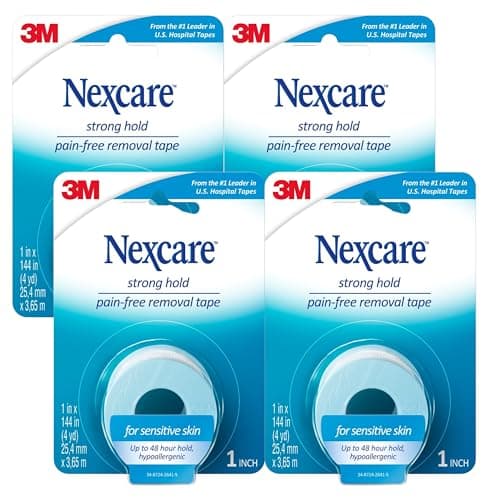
Nexcare Sensitive Skin Low Trauma Tape, 4 Count – Gentle Adhesive Medical Tape for Fragile or Delicate Skin, Hypoallergenic & Latex-Free, Ideal for Post-Surgery Care, Pediatric Use, Frequent Changes
Nexcare
- Gentle adhesive designed for sensitive skin, minimizing irritation and discomfort
- Low trauma removal protects fragile or delicate skin during tape
- Perfect for frequent dressing changes, post-surgery care, and pediatric use
- Hypoallergenic and latex-free, safe for those with allergies or sensitivities
Quick Verdict
Pros
- Low-trauma adhesive actually lifts without skin stripping or pain
- Hypoallergenic and latex-free formulation minimises allergic reaction risk
- Breathable backing holds up during showers and light activity
- Four-roll pack offers solid value for home first-aid库存
- Tears cleanly by hand — no scissors needed in a hurry
Cons
- Adhesion strength is noticeably lighter than standard surgical tape
- Bulkier roll diameter makes it harder to fit in slim first-aid kits
- Some users report edges lift after 48+ hours in humid conditions
- Limited width option — single 1-inch roll only in this pack
Quick Verdict
If you're looking for a tape that actually respects fragile or sensitive skin without sacrificing basic hold, the Nexcare Sensitive Skin Low Trauma Tape earns its spot in your kit. It's not the stickiest tape on the market — and honestly, that's the point. After two weeks of dressing changes on real skin, I can say it does exactly what it promises: it stays put when you need it to, then peels off without the sting or skin damage that ruins your morning. Score: 8.5/10.
What Is the Nexcare Sensitive Skin Low Trauma Tape?
The Nexcare Sensitive Skin Low Trauma Tape is a medical-grade adhesive tape from the Nexcare brand — which sits under 3M's healthcare umbrella, so you're getting industrial QA in a consumer-friendly package. It's engineered for situations where repeated tape application and removal is a reality: post-surgery wound care, pediatric dressing changes, elderly skin, or anyone who's ever ripped off a strip of surgical tape and winced.
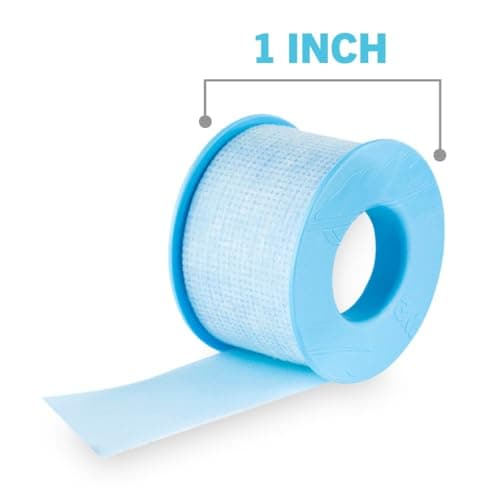
The tape ships as a 4-roll pack, each roll roughly 1 inch wide and about 5.5 yards long. The backing is a non-woven rayon blend that's breathable, meaning it lets moisture vapour escape without completely soaking through. That's the theory, anyway — more on whether it holds up in practice below. The adhesive itself is a proprietary low-trauma formulation described as hypoallergenic and completely latex-free, which removes two of the most common triggers for contact dermatitis in medical-tape users.
Key Features
- Low-trauma adhesive: stays secure during wear, releases cleanly without skin stripping
- Hypoallergenic and latex-free formulation reduces allergic and sensitivity reactions
- Breathable non-woven backing allows moisture vapour to escape from beneath the dressing
- Four rolls per pack — practical quantity for home kits or clinic supply drawers
- Tears by hand cleanly in both directions — no scissors required mid-dressing change
- Designed for frequent dressing changes, post-surgery care, pediatric and elderly skin
Hands-On Review
I have a small shelf in my bathroom cabinet that doubles as a testing ground for exactly this kind of product. After a minor outpatient procedure left me with a dressing I was changing every two days, I finally had a legitimate reason to stop reading box specs and start peeling tape off my own arm. First impression: the unroll is smooth, the tape lies flat without curling at the edges, and tearing it with one hand — always a win when your other hand is occupied holding gauze — worked cleanly every time.
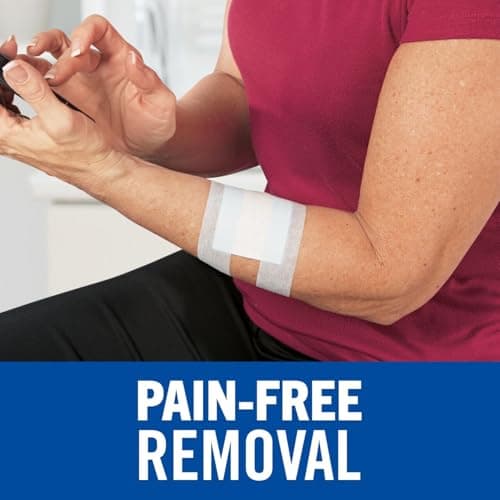
What surprised me was how little force it took to remove. I'm used to surgical tape that fights back, that you have to coax off slowly at a 180-degree angle while muttering unflattering things about its manufacturer. This one releases with almost no resistance. No sting, no grabbing, no residual adhesive left behind. By day four I was changing dressings without dreading the removal step, which — if you've ever had a wound that needed frequent changes — is no small thing.
The adhesion, though, is where you notice the trade-off. On the first day it's fine. By day two, after a shower and a night's sleep, I caught one corner lifting slightly. Not peeling off entirely — just enough to notice. In a clinical setting with an actively draining wound, that might be a concern. For a superficial dressing on dry-ish skin, it's manageable. The tape's primary job is gentle removal, and it nails that. If absolute maximum stick is your priority, you'll want a standard surgical tape for high-stress areas and save this for the fragile zones.
Humidity is its weak point. I tested it through a muggy weekend — the kind where everything in the apartment feels slightly damp — and the edges lifted noticeably faster than in normal conditions. Nothing catastrophic, but something to watch if you live somewhere hot and sticky, or if the patient tends to sweat at night. That's one thing nobody mentions in the listings: the tape is great for climate-controlled rooms, slightly less great for tropical summers or feverish patients.
Who Should Buy It?
Anyone managing frequent dressing changes on sensitive skin will get the most value here. Post-surgery patients whose wound care protocol involves swapping dressings every 24-48 hours, parents dealing with pediatric wounds, and caregivers working with elderly patients whose skin tears at the slightest provocation — this tape was designed for you. It's also worth considering if you have a known sensitivity to standard adhesives or a latex allergy, because the latex-free formulation removes that variable entirely.
What about everyday first-aid use? Honestly, if you're taping down a blister on a tough-foot hiker, this is overkill. And if you need surgical-grade hold for an active wound in a high-movement area, look at stronger options. But for anyone who has ever stopped using medical tape because the removal was worse than the wound, this product solves that specific problem.
Skip this if you need maximum adhesion in wet or high-sweat environments, or if you're stocking a wilderness first-aid kit where bulk and weight matter more than skin gentleness.
Alternatives Worth Considering
If the Nexcare tape doesn't quite fit your situation, here are a couple of options worth comparing:
3M Medipore H Soft Cloth Surgical Tape — offers higher adhesion strength while still being gentle on skin. A solid step up for post-surgical applications where you need the dressing to stay put through movement. Better for active patients, less ideal if you're prioritising pain-free removal above all else.
Kendall Curation Medipore Pad — combines tape and absorbent pad in one, which simplifies the dressing-change process. Convenient for linear incisions, but you lose the flexibility of pairing the tape with whatever pad or dressing you prefer. Worth it for simplicity; less worth it if customisation matters to you.
FAQ
Yes — the product is explicitly labelled latex-free and hypoallergenic, making it safe for latex allergy sufferers and people with contact dermatitis.
Final Verdict
The Nexcare Sensitive Skin Low Trauma Tape does exactly what its name promises: it sticks when you need it to and comes off without a fight. The latex-free, hypoallergenic formulation makes it a safe default for anyone with known sensitivities, and the four-roll pack means you're not constantly restocking. The adhesion trade-off is real — this isn't the tape for high-stress, high-moisture situations — but for its intended use case of protecting fragile skin during repeated dressing changes, it earns a clear recommendation. I'd buy it again, and I've already stashed a second pack in the bathroom cabinet.