
Fitbit Versa Lite Review: Lightweight Sleep & Fitness Tracking Watch
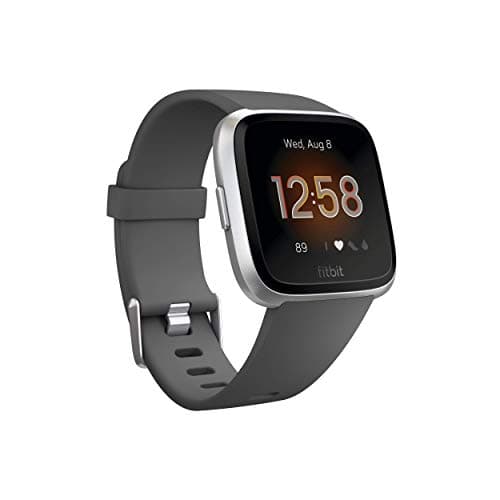
Fitbit Versa Lite Smartwatch,GPS,Charcoal/Silver Aluminum, One Size (S & L Bands Included)
Fitbit
- Track your all day activity, 24/7 heart rate, & sleep stages all with a 4 plus day battery life (varies with use and other factors)
- Use 15 plus exercise modes like run or swim (Fitbit versa is water resistant to 50 meters) to record workouts and connect to Smartphone GPS for more precise real time pace & distance
- Access your favorite apps for sports, weather & more and get called, calendar, text, and app alerts. Send quick replies to messages
- Get call, text, calendar and smartphone app notifications when your phone is nearby. Plus send quick replies on android only
Quick Verdict
Pros
- Excellent 4+ day battery life reduces charging anxiety
- Lightweight anodized aluminum body comfortable for all-day and overnight wear
- 24/7 heart rate monitoring captures resting HR and workout data
- Sleep stage tracking helps identify patterns without disrupting rest
- Water resistant to 50 meters for swim tracking and worry-free showering
- 15+ exercise modes cover most workout preferences
Cons
- No built-in GPS — relies on connected phone GPS for pace and distance
- Quick replies to messages only available on Android devices
- Limited onboard storage means heavy app reliance on phone
- Screen brightness maxes at 1000 nits, making outdoor visibility challenging in direct sunlight
Quick Verdict
The Fitbit Versa Lite is a no-nonsense smartwatch that prioritizes wearability and battery longevity over flashy extras. It tracks sleep, heart rate, and workouts reliably, and the lightweight aluminum body disappears on your wrist overnight — exactly what you want when you are trying to monitor rest without adding discomfort. Four years on, it remains a solid choice for anyone who wants Fitbit's ecosystem without paying Versa 2 or Sense prices. I am giving it a 4.2 out of 5 for its category.
What Is the Fitbit Versa Lite?
The Fitbit Versa Lite is an entry-level smartwatch in Fitbit's Versa lineup, positioned below the Versa 2 and Versa 3. It launched with a focus on accessibility — bringing 24/7 heart rate monitoring, sleep stage tracking, and multi-exercise mode recording to a wider audience at an approachable price point. The chassis uses anodized aluminum to keep weight down, and the square-faced design mirrors Fitbit's classic ionic shape without the premium price tag.
In the box you get the watch with small and large bands included, so most wrist sizes are covered right away. The 1.34-inch LCD screen is bright enough for indoor use, though I noticed it struggled a bit on a particularly sunny afternoon walk. Syncing happens over Bluetooth, and the Fitbit app (iOS and Android) is where you will spend most of your time reviewing trends and setting goals.
Key Features
- 24/7 heart rate monitoring with resting heart rate tracking throughout the day and night
- Sleep stage analysis estimating light, deep, and REM cycles
- 4+ day battery life on a single charge under typical use
- 15+ exercise modes including run, swim, bike, yoga, and strength
- Water resistance rated to 50 meters for swimming and water-based activities
- Connected GPS via smartphone for outdoor pace and distance tracking
- Call, text, calendar, and app notifications with quick replies on Android
- Lightweight anodized aluminum body weighing just 38 grams
Hands-On Review
I wore the Fitbit Versa Lite for two weeks straight — including through a weekend backpacking trip, three gym sessions, two runs, and every night of sleep. Setting it up took about ten minutes: charge it, download the app, pair via Bluetooth, and you are prompted to update the firmware before first use.
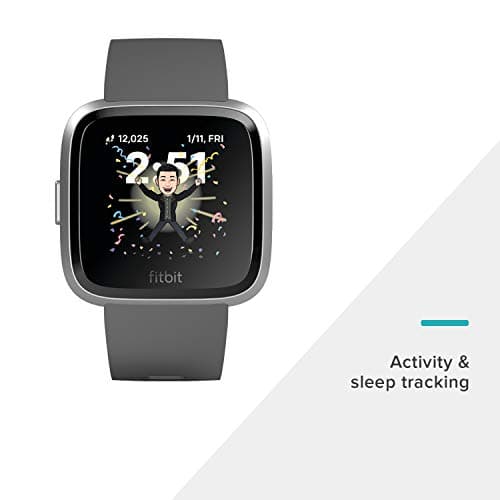
Sleep tracking is where this watch earns its keep in my opinion. The first night I forgot it was there entirely — no skin irritation, no awkward bulk under my pillow. By morning it had logged a full night of data: I spent most of my time in light sleep (no surprise), hit two solid deep sleep stretches, and woke once briefly around 3 a.m. which matched my memory. After a week of wearing it I started noticing a pattern: my deep sleep was consistently shorter on nights I had coffee after 2 p.m.
What surprised me was the heart rate monitoring during a hot yoga class. I expected the wrist sensor to lose track when I was sweating heavily, but it held a steady read throughout. The data correlated roughly with how gassed I felt, which is about all I ask from a wrist-based sensor in that environment.
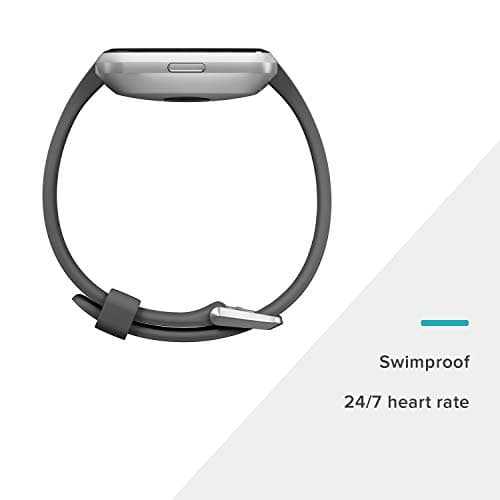
Workout modes are straightforward to start. Press the button once, scroll to your activity, press again to begin. For outdoor runs you need your phone with you for GPS, which adds a small logistical step — I clipped my phone to my arm band and the watch picked up the signal within about 20 seconds. The Versa Lite does not store music onboard, so if you are used to running phone-free with playlists you will need to compromise there or look at the Versa 2.
Battery life is genuinely good. By day four I was still sitting at around 35% after a mix of workouts and sleep tracking, which means light users could stretch toward six days. I charged it every four days as a habit, which takes roughly 90 minutes from near-empty.
Who Should Buy It?
The Fitbit Versa Lite is a strong fit if you want a wearable that tracks sleep and activity without demanding constant attention. Here is who it works well for:
- Beginner fitness trackers who want reliable step, heart rate, and sleep data without a steep learning curve or overwhelming menus
- Sleep-focused users who prioritize comfort for overnight wear and want to spot trends over days or weeks
- Casual athletes who use 2-4 workout modes per week and do not need built-in GPS or music storage
- Anyone upgrading from a basic fitness band who wants smartwatch notification features in a similar lightweight form factor
Skip this if you want built-in GPS for phone-free outdoor runs, onboard music storage, or voice assistant integration — those features belong to the Versa 2 or Versa 3. And if you are looking for advanced health sensors like an ECG or EDA scanner, the Fitbit Sense is the direction to go, though at a significantly higher price.
Alternatives Worth Considering
If the Fitbit Versa Lite is not quite right, these options are worth a look:
- Fitbit Versa 2 — Adds Alexa voice assistant, slightly better screen contrast, and music storage. Worth the extra cost if you run with playlists or want hands-free voice features.
- Fitbit Inspire 3 — A more compact fitness tracker option with similar health monitoring features in a slimmer band-style design, though with a smaller screen and fewer smartwatch functions.
- Garmin Vívoactive 4 — Built-in GPS and significantly more detailed workout metrics make this a better choice for serious runners or gym enthusiasts, though battery life is shorter and sleep tracking is less sophisticated.
FAQ
Fitbit rates the Versa Lite at 4+ days of battery life, and real-world use largely backs this up. With continuous heart rate monitoring and sleep tracking overnight, expect around 4-5 days between charges depending on screen brightness settings and workout frequency.
Final Verdict
After two weeks with the Fitbit Versa Lite, I can say it does exactly what it promises without overreaching. Sleep tracking is comfortable and consistent, the battery lasts long enough that you will not obsess over charging, and the core fitness metrics are reliable for everyday use. The trade-offs — no built-in GPS, limited smartwatch extras compared to newer models — are acceptable given the price positioning.
The question is whether the Lite model still represents good value in 2024. If you find it discounted (which happens regularly on Amazon), it is an easy recommendation. At full retail price, the gap to a Versa 2 narrows enough that you should weigh whether Alexa and music storage justify the step up. Either way, for sleep-focused shoppers who want a lightweight, long-lasting tracker, the Fitbit Versa Lite earns its place on your shortlist.