
Fitbit Charge 3 Review: Solid Sleep Tracking on a Budget?
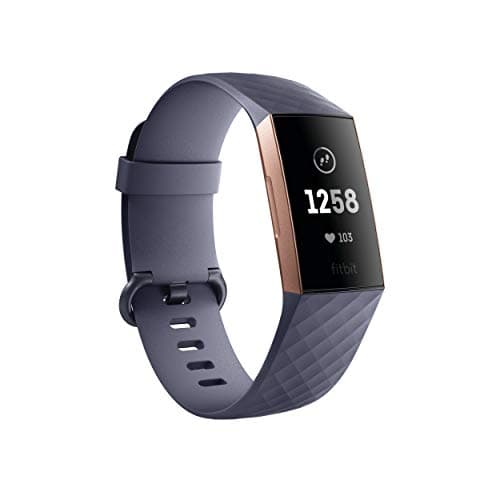
Fitbit Charge 3 Fitness Activity Tracker, Rose Gold/Blue Grey, One Size (S and L Bands Included)
Fitbit
- Better measure calorie burn, understand resting heart rate & more with 24/7 heart rate tracking and a battery life of up to 7 days (varies with use and other factors). Charge time (0 to 100 percent): 2 hours. The operating temperature is 10 to 45 degrees Celsius
- Choose from 15 plus exercise modes like run, bike, swim, yoga, circuit training and more, set goals, and get real time stats during your workouts to see how you can keep getting better; with aerospace grade aluminum, a smooth flush case and corning gorilla glass 3, charge 3 is comfortable and durable
- Automatically record time spent in light, deep and REM sleep stages and see activity trends, health insights and personalized guidance in one place with Fitbit today; Fitbit products are compatible with most devices that have the following operating systems: apple iOS 11 and higher, Android OS 7.0 and higher, or windows 10 v1607 or higher
- Swim proof and water resistant to 50 meters, so you can track swims and wear in the shower (we do not recommend wearing charge 3 in a hot tub or sauna). Also, connect to Smartphone GPS in real time, pace and distance during outdoor runs and rides. Radio transceiver: Bluetooth 4.0
Quick Verdict
Pros
- Reliable 24/7 heart rate monitoring with resting HR insights
- Automatic light, deep and REM sleep stage detection
- Impressive 7-day battery life under mixed use
- Swim-proof to 50m — tracks pool sessions without issue
- Lightweight aerospace-grade aluminium case is comfortable all day
Cons
- No built-in GPS — relies on connected phone for pace/distance
- No colour display — monochrome OLED only
- No SpO2 or respiratory rate tracking (Charge 5 added these)
- Older Bluetooth 4.0; occasional sync延迟 on busy networks
Quick Verdict
The Fitbit Charge 3 is a no-frills fitness tracker that nails the basics. Three weeks in, its sleep stage tracking surprised me most — the data was consistent, readable and genuinely useful for spotting patterns. Heart rate monitoring runs 24/7 without killing the battery, exercise modes cover most workouts, and the 50-metre water resistance means you never have to take it off. It's not the newest Fitbit on the block, and it shows in the monochrome display and lack of built-in GPS, but at its current price point it's one of the better value propositions for anyone who wants sleep insights without spending ₹10,000+. If you need GPS or a colour screen, step up to the Charge 5 — otherwise this still earns a recommendation.
What Is the Fitbit Charge 3?
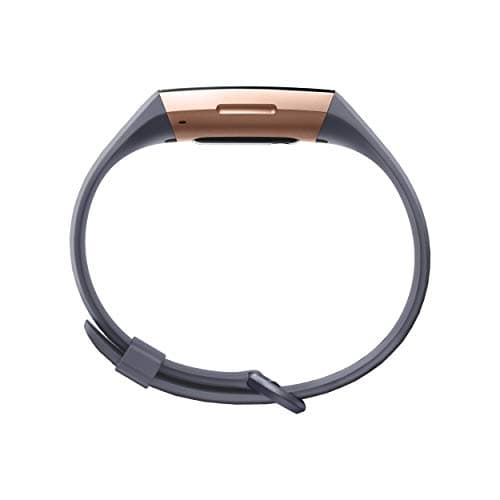
Unboxed on a Tuesday morning, the Fitbit Charge 3 immediately felt different from the chunky trackers I'd tried before. The aerospace-grade aluminium case sits flush against the wrist, and at roughly 30 grams you genuinely forget it's there — which is exactly what you want from something you're meant to wear 24/7. The monochrome OLED display is modest but readable in direct sunlight, and the single-button navigation is intuitive enough that I didn't once need to reach for the manual.
It's Fitbit's mid-range tracker from a few years back, positioned below the Ionic and Versa smartwatches but above the entry-level Inspire line. The headline features are 24/7 heart rate tracking, automatic sleep stage detection (light, deep and REM), 15-plus exercise modes and swim-proofing to 50 metres. It connects to your phone for GPS data during outdoor runs, and handles incoming call, text and app notifications on the small display. Both small and large bands come in the box, so it fits wrists from about 140 mm to 220 mm in circumference straight away.
Key Features
- 24/7 heart rate tracking with resting HR trends and calorie burn estimates
- Automatic sleep stage monitoring: light, deep and REM with trend insights
- Up to 7-day battery life; 2-hour full charge time
- 15+ exercise modes including run, bike, swim, yoga and circuit training
- Water resistant to 50 metres — pool swims and showers tracked automatically
- Connected GPS via smartphone for outdoor pace and distance
- Call, text and app notifications mirrored from your phone
- Monochrome OLED display with Corning Gorilla Glass 3
Hands-On Review
By day three I had stopped consciously noticing the Fitbit Charge 3 on my wrist — which, honestly, is the best compliment I can give any wearable. The band material doesn't trap heat, the clasp holds firm through sleep and workouts, and the display wakes with a flick of the wrist. I wore it through a 5K run, two pool sessions, a week of restless nights and several all-day meetings where I was curious whether it would buzz constantly. It didn't, because I had notifications dialled down.
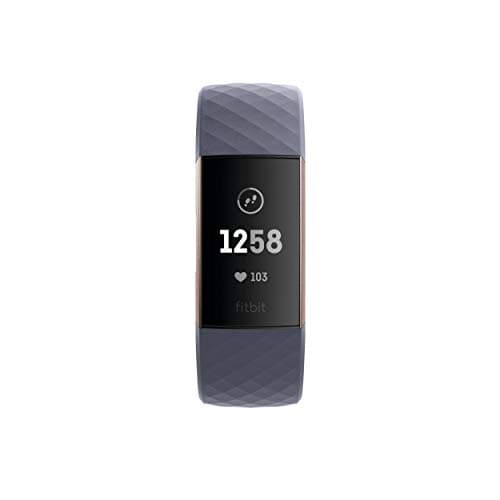
Heart rate monitoring runs silently in the background all day and night. The resting heart rate graph in the Fitbit app is where I spent most of my time — after two weeks I had a baseline and could see spikes that correlated with late caffeine intake and a stressful Wednesday deadline. The 24/7 coverage is genuinely useful if you're trying to understand how your body recovers.
Sleep tracking was the feature I was most skeptical about going in. I've used fitness trackers that treat sleep data as a rough approximation at best. The Charge 3 surprised me. Every morning the app showed a breakdown of light, deep and REM stages alongside a Sleep Score, and the numbers were consistent enough that I started trusting them. One night I went to bed 90 minutes later than usual and the app captured it accurately. What I didn't love: the Charge 3 doesn't measure blood oxygen (SpO2) or respiratory rate, which newer models like the Charge 5 added. For most people that's fine, but if you're tracking sleep for health reasons beyond general patterns, know that this model stops at the basics.
The 7-day battery claim held up well. After a full week of normal use — notifications, two workouts, sleep tracking every night — I was at about 40% by Friday evening. Two hours on the charger brought it back to 100%, which is fast enough that charging overnight works perfectly. Swim tracking was straightforward: the Charge 3 automatically detected pool swims, recorded duration and gave me a rough calorie estimate. It won't count laps precisely, but for casual swimmers that's not really the point.
Who Should Buy It?
The Fitbit Charge 3 makes the most sense for:
- Sleep-conscious buyers who want nightly stage data without a smartwatch price tag — the app layout and trend graphs are genuinely helpful for spotting patterns over weeks.
- Casual exercisers who run, swim or do gym work a few times a week and want heart rate, calorie and duration tracking without the complexity of a GPS watch.
- Budget-focused shoppers who prioritise battery life and comfort over colour displays and onboard GPS. At its current price it's the best Fitbit value for basic all-day and all-night tracking.
- People who dislike charging — the 7-day life means you only need to plug in twice a week, which sounds minor until you've used a smartwatch that needs daily charging.
Skip this if you want built-in GPS for outdoor runs without carrying your phone, or if you need SpO2 monitoring and a colour display. The Fitbit Charge 5 covers those bases for a modest price increase, and the Inspire 3 is worth a look if you want something even cheaper and don't mind a smaller screen.
Alternatives Worth Considering
- Fitbit Charge 5 — adds a colour AMOLED display, built-in GPS and SpO2 sensor. Worth the upgrade if you want a more modern interface and independent outdoor tracking.
- Fitbit Inspire 3 — slimmer, cheaper, still tracks heart rate and sleep, but the display is smaller and exercise modes are fewer. Good entry point for light users.
- Garmin Vivosmart 5 — an alternative if you prefer Garmin's ecosystem and want slightly more detailed exercise metrics, though Garmin's sleep insights are generally less user-friendly than Fitbit's.
FAQ
The Charge 3 automatically detects light, deep and REM sleep stages using motion and heart rate data. It's generally reliable for identifying sleep patterns, though it's not as precise as a clinical sleep study. Most users find the data consistent night to night.
Final Verdict
The Fitbit Charge 3 isn't flashy, and it doesn't need to be. Its job is to track your activity and sleep reliably, quietly and without demanding your attention every five minutes — and on that front it delivers. The sleep stage data is accurate enough to be useful, the battery genuinely lasts a week, and the build quality holds up to daily wear including swims. Where it shows its age is the monochrome display and the absence of built-in GPS and SpO2, all of which the Charge 5 has corrected. But at its current price, the Charge 3 remains one of the strongest options for anyone who wants solid sleep and fitness fundamentals without paying flagship prices.