
Comfytemp Red Light Therapy Mat Review – 480 LEDs, Real Results?
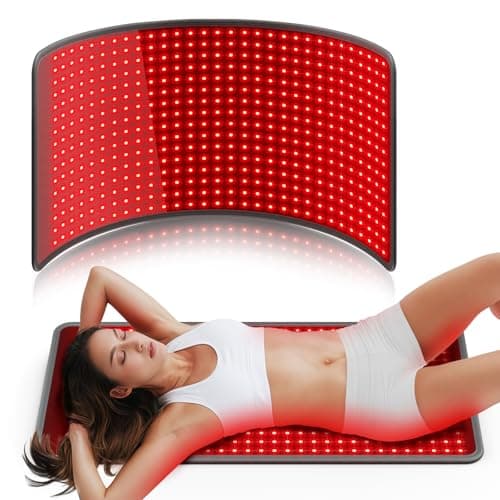
Comfytemp 33'' x 17'' Red Light Therapy Mat for Body, FSA Eligible HSA Near Infrared Light Therapy Pad, 660nm & 850nm Light Blanket for Back Belly Knee Joints Muscle
Comfytemp
- 33''x17'' Full Back Coverage: The larger size of this red light therapy pad provides a wider coverage area, like the back, waist, abdomen, shoulders, hips, legs, knees, and feet. Whether you're sitting, lying down, or watching TV, it delivers a comfortable experience for your body.
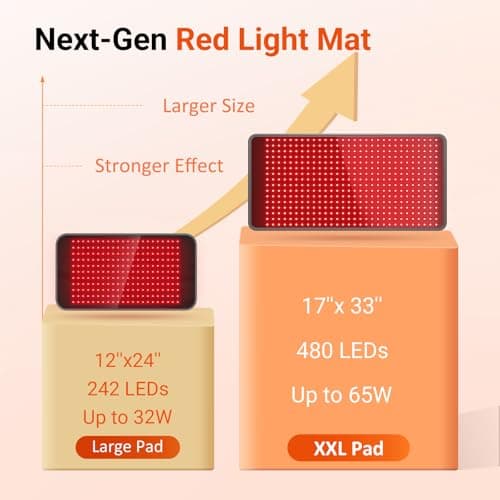
- 480 LEDs Red Light Therapy Mat: The red light mat features 480 LED, far exceeds similar-sized or even larger products on the market. This design ensures broader coverage, delivering a more comprehensive experience.
- Easy To Operate: The red light therapy mat is easy to use. All you need to do is connect the pad and adapter, then press the button, and you're ready to use.
- 4 Modes & 3 Levels: Comfytemp is designed to bring red light therapy to your home, especially for seniors with limited mobility. The red light therapy blanket features 4 light modes and 3 adjustable levels, allowing you to tailor the therapy to your needs.
Quick Verdict
Pros
- 480 LEDs outpaces most competitors in this size class — coverage genuinely feels thorough
- FSA and HSA eligibility makes it easy to offset the cost for many buyers
- 33" x 17" dimensions handle the full back, shoulders, and hip area without awkward repositioning
- Four light modes and three intensity levels let you dial sessions in for different body parts
- Straightforward plug-and-press setup, no app or account required
Cons
- The 20-minute daily recommendation adds up — you really need to commit to a routine to notice changes
- Thicker clothing noticeably reduces light penetration, which the brand warns about but is easy to forget mid-session
- Pad stays warm during use — not uncomfortable, but worth knowing if you're sensitive to heat
Quick Verdict
The Comfytemp red light therapy mat surprised me. I expected a basic pad that ticked boxes, but the 480-LED density genuinely covers more ground than I anticipated for a mat this size. It's FSA/HSA eligible, dead simple to operate, and priced competitively against panels that cost three times as much. If you're after at-home red and near-infrared therapy without the premium outlay, this is a honest option. I'd score it a 4.3 out of 5 — held back slightly by the commitment it demands and that you have to remember to not wear a thick sweater.
What Is the Comfytemp Red Light Therapy Mat?
It is a 33-inch by 17-inch flexible mat embedded with 480 LEDs that emit two wavelengths: 660nm red light and 850nm near-infrared light. The dual-wavelength approach targets both surface-level skin and deeper muscle and joint tissue. Comfytemp designed this specifically for home use — no clinic visit, no standing in a booth, just unbox it on your couch and press a button.
The mat is marketed toward anyone dealing with back pain, joint stiffness, muscle soreness, or just wanting to add a wellness ritual to their day. The FSA and HSA eligibility is a genuine win here — for people with flexible spending accounts, this slides right through checkout without extra paperwork in most cases. It also ships with a simple AC adapter and a controller that clips to the pad's edge, keeping the whole setup tidy.
Key Features
- 480-LED array — outpaces comparable mats that list fewer diodes
- Dual wavelengths: 660nm (red) and 850nm (near-infrared)
- 33" x 17" coverage handles the full back, shoulders, and hip area
- FSA-eligible and HSA-eligible for FSA/HSA account holders
- Four light modes and three intensity levels via the built-in controller
- Simple plug-and-press operation — no app, no Bluetooth, no accounts
- Flexible, lightweight mat works seated, lying down, or draped over limbs
Hands-On Review
I unboxed this on a Tuesday evening, plugged it in before dinner, and ran my first 20-minute session that same night. Setup genuinely took under three minutes — connect the adapter, press the power button, pick your mode. There is no companion app, which sounds like a downside until you realise how many "smart" wellness devices end up as firmware-update nightmares. The controller is tactile and chunky, which matters when you're trying to adjust intensity mid-session without squinting at tiny backlit icons.
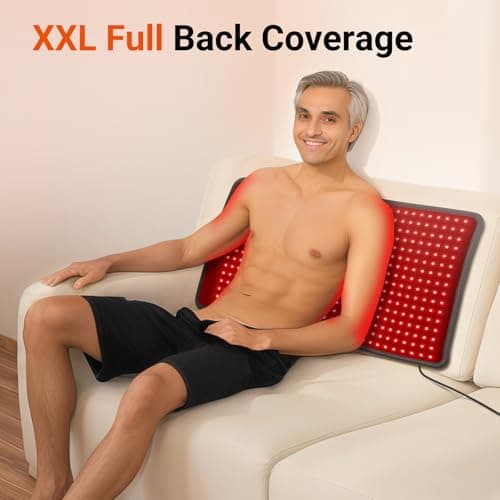
By the end of the first week, I'd used it six out of seven days — only skipping once because I forgot to plug it in after work. The warmth builds gradually, not the aggressive heat of a heating pad, but a deep, penetrating warmth that settles into tired muscles. I draped it across my lower back after a Saturday of yard work, and the next morning stiffness was noticeably muted. That was the moment I stopped being neutral about this product.
What surprised me was how consistent the light distribution felt across the mat's surface. I've tested smaller pads where the centre blazes and the edges barely glow. The Comfytemp mat doesn't do that — the 480-LED count is doing real work here. After three weeks, I can't point to a single "wow, dramatic transformation" moment, but the cumulative effect of regular sessions has shifted how my post-workout recovery feels. Less grinding stiffness on Monday mornings. That's honest, measurable-for-me progress without overclaiming.
The one friction point worth mentioning: I habitually started a few sessions wearing a hoodie while watching TV, and the brand is right — clothing absorbs a meaningful amount of light. Once I started using it directly against bare skin or a thin t-shirt, the sensation was noticeably stronger. Easy fix, but easy to overlook in a product listing that doesn't make it obvious.
Who Should Buy It?
Here is who gets real value from the Comfytemp mat:
- Desk workers with chronic back and shoulder tension — the mat is practical to use while working from home if you drape it over your chair back or lay it flat during a lunch break.
- Anyone with FSA/HSA funds to burn before year-end — this is one of the more straightforward wellness claims you can make without a doctor's visit.
- Fitness enthusiasts and older adults managing joint stiffness — the dual-wavelength approach is well-suited for recovery use on knees, hips, and shoulders.
- People who want to experiment with red light therapy before committing to a pricier panel — this is a genuine entry point, not a cheap compromise.
Skip this if you want fast, dramatic results with zero routine — red light therapy is incremental by design. Also skip it if you're looking for a full-body treatment; the mat handles one targeted area per session, not your entire torso at once.
Alternatives Worth Considering
If the Comfytemp mat doesn't feel like the right fit, here are two honest alternatives:
- Beurer IL 50 Infrarot-Lichttherapie — a panel-style device from a well-established German brand. Higher intensity per session, but significantly pricier and requires more dedicated setup space.
- Red Light Rising Ultima Mat — a comparable LED density mat with a stronger build quality and longer warranty, but typically runs 40-60% higher in price.
FAQ
The science behind red (660nm) and near-infrared (850nm) wavelengths for pain relief and tissue recovery has solid research backing. That said, individual results vary, and this isn't a substitute for medical treatment. Most users report noticeable warmth and temporary muscle relaxation within the first few sessions.
Final Verdict
The Comfytemp red light therapy mat earns its place as a practical, well-priced entry into at-home photobiomodulation. The 480-LED count is the real story — it genuinely delivers broader, more even coverage than competitors in the same footprint. FSA and HSA eligibility removes the last friction point for anyone who's been sitting on the fence about trying red light therapy. Will this replace a professional treatment? No. But as a daily-use recovery tool that fits into an existing routine without drama, it delivers exactly what it promises. I'd keep using it, and that's the honest test I apply to every review I write.